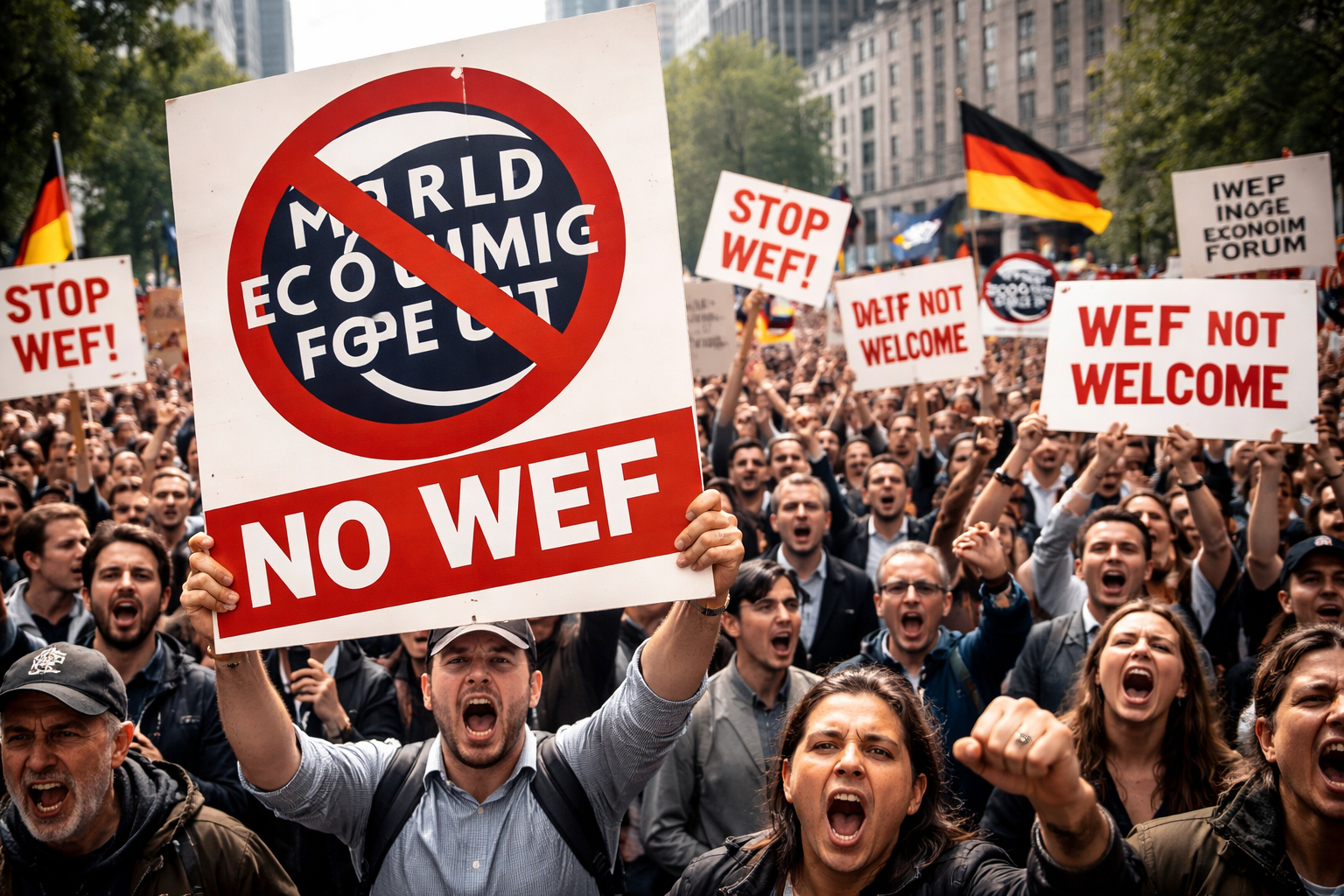
Chapter 10: WEF’s Role in Health & Medical Tyranny
Controlling Global Health Policy
The World Economic Forum (WEF) has played an increasingly prominent role in shaping global health policies, working in conjunction with institutions such as the World Health Organization (WHO), major pharmaceutical corporations, and government agencies. While the WEF promotes these efforts as necessary for public health and global safety, many critics argue that its initiatives centralize power, restrict medical freedom, and enable mass surveillance.
This chapter explores the WEF’s influence over health policy, digital health passports, vaccine mandates, and the potential risks associated with its centralized medical control.
The WEF’s Partnership with the WHO and Big Pharma
The WEF has cultivated a powerful alliance with the WHO, pharmaceutical companies, and major health organizations to influence medical decision-making on a global scale.
Key Concerns:
- Conflicts of interest – Many WEF partners profit directly from the policies they advocate.
- Lack of transparency – Decision-making processes often occur behind closed doors.
- Exclusion of independent medical voices – Alternative health perspectives are frequently suppressed.
Digital Health Passports and Global Surveillance
One of the most controversial WEF-backed initiatives is the push for digital health passports, which require individuals to present proof of vaccination or health status to access basic services.
Risks of Digital Health Passports:
- Mass surveillance – Centralized databases tracking medical histories and movements.
- Loss of bodily autonomy – Coercion to comply with medical directives for participation in society.
- Potential discrimination – Those who refuse or cannot comply may face social and economic exclusion.
The Role of AI in Medical Decision-Making
The WEF advocates for the integration of artificial intelligence (AI) in healthcare, claiming it will improve diagnostics and efficiency. However, the reliance on AI raises concerns about data manipulation, ethical concerns, and loss of human oversight.
Major Issues:
- Algorithmic bias – AI-driven medical decisions may reinforce existing inequalities.
- Data control – Centralized health databases increase risk of misuse and cyberattacks.
- Reduction of doctor-patient relationships – AI replacing human judgment in critical health decisions.
Vaccine Mandates and Medical Coercion
The WEF has played a pivotal role in advocating for global vaccine mandates, often partnering with governments to enforce widespread compliance.
Ethical and Legal Concerns:
- Violation of informed consent – Pressure to comply undermines personal choice.
- Lack of liability for pharmaceutical companies – Governments assume financial risks instead of manufacturers.
- Censorship of dissenting medical opinions – Alternative perspectives on vaccine safety and efficacy are frequently deplatformed.
Centralized Healthcare and the Great Reset
The WEF’s vision for the future of healthcare aligns with its broader Great Reset agenda, which promotes global centralization of power across economic, social, and political sectors.
Risks of a Centralized Healthcare System:
- Global bureaucracies making one-size-fits-all decisions.
- Potential for government overreach in personal health choices.
- Increased control over individuals’ daily lives through digital tracking and mandates.
Defending Medical Freedom
The WEF’s deep involvement in global healthcare policy raises significant concerns about personal autonomy, mass surveillance, and corporate influence over medical decisions. To push back against these trends, individuals and nations must:
- Demand medical transparency and accountability from global health organizations.
- Advocate for patient choice and informed consent in medical decisions.
- Challenge centralized control over healthcare and seek decentralized solutions.
By promoting medical sovereignty and individual rights, societies can resist the push toward technocratic health mandates and ensure that future healthcare policies serve people rather than corporate or political interests.
Share
Comments (0)
Leave A Comment

Lies and more lies - Mark Rutte confronted by Gideon van Meijeren
29.12.2025, 20:00
Comments:
0

Aspen Institute
29.12.2025, 19:32
Comments:
0

Chapter 11: WEF Smartphones & Communication
29.12.2025, 19:32
Comments:
0

Chapter 9: The WEF’s Influence on Education and Thought Control
29.12.2025, 19:33
Comments:
0
Chapter 10: WEF’s Role in Health & Medical Tyranny
29.12.2025, 19:32
Comments:
0

Watch Dr. Kevin Roberts eviscerating WEF
29.12.2025, 19:32
Comments:
0
Subscribe
Get the latest news and exclusive offers