
Chapter 3: WEF’s Influence on National Governments
Chapter 3: WEF’s Influence on National Governments
The Mechanisms of Influence
The World Economic Forum (WEF) does not merely act as a think tank; it actively shapes governmental policies worldwide. Through a network of partnerships, advisory roles, and training programs, the WEF embeds its ideology into national governance structures. Its influence extends across multiple domains, including economic policy, technology, public health, and environmental regulations.
The Young Global Leaders Program
One of the WEF’s most effective tools for influencing national governments is the Young Global Leaders (YGL) program. Established in 2004, this initiative grooms promising individuals for leadership positions in politics, business, and media. Many of today’s top politicians and corporate executives are alumni of the YGL program, including:
- Emmanuel Macron (President of France)
- Justin Trudeau (former Prime Minister of Canada)
- Jacinda Ardern (former Prime Minister of New Zealand)
- Mark Zuckerberg (CEO of Meta/Facebook)
- Analena Bärbock (former Minister of Foreign Affairs - Germany)
- Jens Spahn (former Minister of Health - Germany)
- Angela Merkel (former Germany Chancellor)
- Vladimir Putin (until he started the war against Ukraine) - in less than a week, he was pulled out of WEF list!
- Javier Milei (actual President of Argentina)
- And unbelievably many many more! And Watch how Klaus Schwab admits he "penetrated governments" with his "slaves" (the so-called "young global leaders")!
These individuals, once selected, undergo specialized training aligned with the WEF’s globalist vision. The result is a generation of leaders who push policies consistent with the WEF’s agenda—often at the expense of national sovereignty.
Economic Policies: Central Bank Digital Currencies (CBDCs)
One of the most concerning aspects of WEF’s influence is its push for Central Bank Digital Currencies (CBDCs). The WEF promotes these digital currencies as a way to enhance financial inclusion and streamline global transactions. However, critics argue that CBDCs pave the way for state surveillance and financial control.
For example, countries such as China have implemented digital yuan programs with strict transaction tracking and spending restrictions. If similar policies are implemented globally, governments and financial institutions could limit how and where individuals spend their money, effectively controlling personal financial freedom.
The WEF’s Role in Shaping Pandemic Responses
During the COVID-19 pandemic, WEF-affiliated policymakers played a major role in shaping lockdown measures, digital health passports, and vaccine mandates. This influence was seen in policies that:
- Restricted personal freedoms, such as lockdowns and curfews
- Increased governmental surveillance, through digital health certificates and AI-powered monitoring
- Mandated vaccinations and corporate compliance, particularly in Western nations
Through partnerships with the World Health Organization (WHO) and major pharmaceutical companies, the WEF helped set the stage for global health governance that undermined national decision-making processes.
Technological Surveillance and AI Governance
The WEF’s push for a “Fourth Industrial Revolution” emphasizes the integration of artificial intelligence, biometric surveillance, and digital identities into daily life. Governments influenced by the WEF have begun implementing policies that:
- Encourage facial recognition systems in public spaces
- Expand the use of digital IDs that track individuals’ financial, medical, and travel history
- Promote social credit systems, similar to China’s controversial model
For example, the European Union’s Digital Identity Framework aligns closely with the WEF’s recommendations, paving the way for a cashless society and digital governance.
The WEF’s Role in Climate Policy
Environmental policies pushed by the WEF are often presented as necessary for sustainability, but they have led to economic hardships and food shortages in several countries. For example:
- Netherlands: The Dutch government, influenced by WEF climate policies, introduced regulations to cut nitrogen emissions, which led to mass protests from farmers who faced potential bankruptcy.
- Sri Lanka: The WEF praised Sri Lanka’s push for organic-only farming, yet the policy resulted in a massive food crisis and economic collapse.
These policies often favor large multinational corporations that can comply with stringent regulations while pushing small businesses and independent farmers out of the market.
Growing Resistance Against the WEF
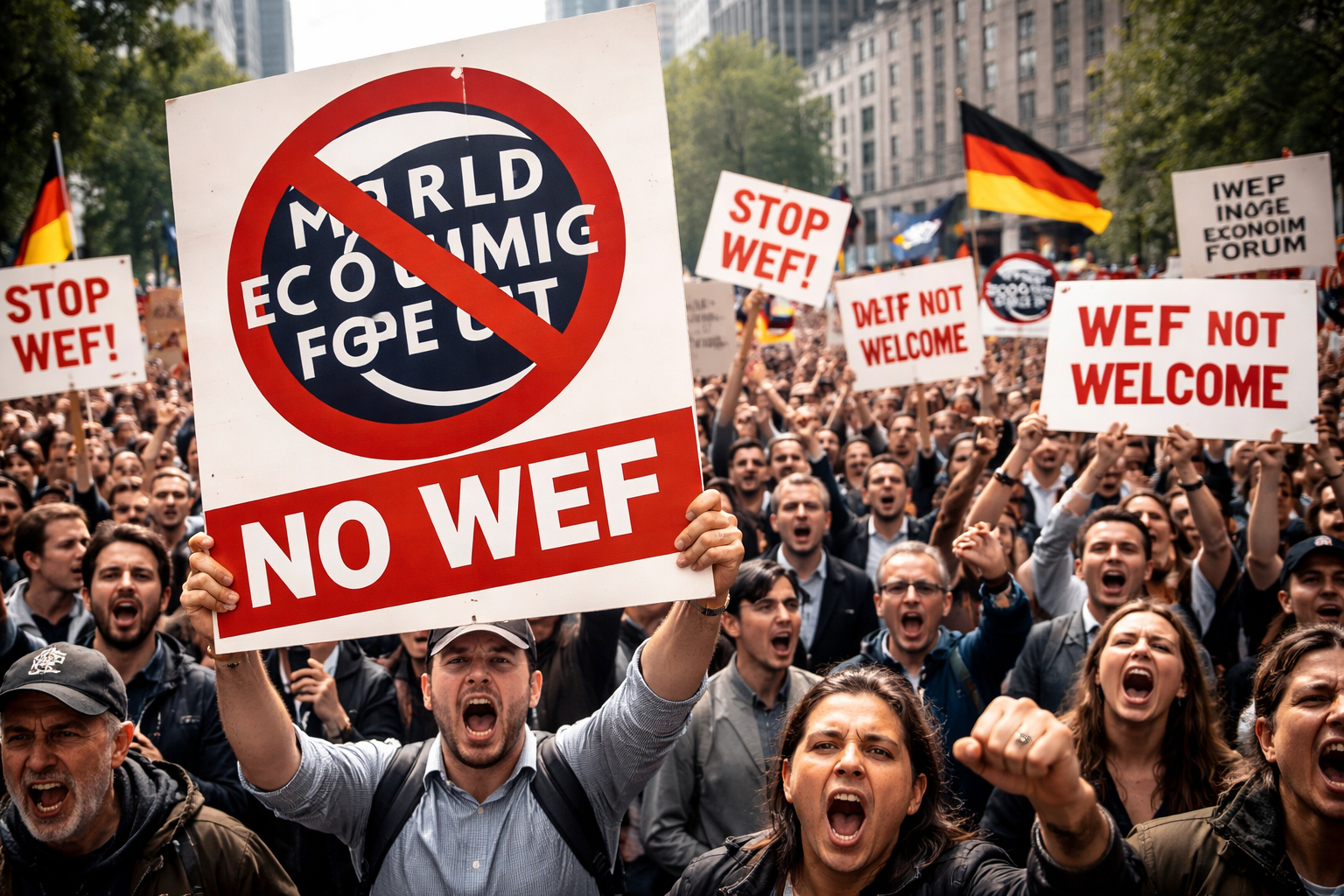
As more people become aware of the WEF’s role in influencing national policies, resistance is growing worldwide. Countries and political movements are pushing back against WEF-backed governance structures, particularly in the following ways:
- Legislative measures to prevent WEF influence: Some lawmakers in the U.S. and Europe have introduced bills to limit WEF-backed policies from being implemented without public oversight.
- Rejection of digital currencies and IDs: Countries such as Nigeria and India have seen resistance to their government-backed digital ID systems and financial tracking measures.
- Public protests against climate regulations: Farmers in Europe, particularly in the Netherlands and Germany, have led mass demonstrations against policies that threaten agricultural independence.
Why WEF’s Influence Matters
The WEF’s extensive influence over national governments poses a serious threat to democracy, personal freedoms, and national sovereignty. By embedding its policies through economic controls, technology, health mandates, and environmental regulations, the WEF has positioned itself as an unelected governing body with tremendous global power.
Understanding this influence is crucial for citizens who value economic freedom, digital privacy, and national independence. Governments should be held accountable for implementing policies that serve their people rather than globalist agendas dictated by unelected organizations like the WEF.
Share
Comments (0)
Leave A Comment

Lies and more lies - Mark Rutte confronted by Gideon van Meijeren
29.12.2025, 20:00
Comments:
0

Aspen Institute
29.12.2025, 19:32
Comments:
0

Chapter 11: WEF Smartphones & Communication
29.12.2025, 19:32
Comments:
0

Chapter 9: The WEF’s Influence on Education and Thought Control
29.12.2025, 19:33
Comments:
0
Chapter 10: WEF’s Role in Health & Medical Tyranny
29.12.2025, 19:32
Comments:
0

Chapter 7: The WEF and Climate Change Policy
29.12.2025, 19:31
Comments:
0
Subscribe
Get the latest news and exclusive offers